-
About
-
Products
- By Timber Product
- Cladding
- Decking
- Screening
- Panelling
- View all
- By Application
- Exterior Cladding / Siding
- Exterior Rain Screen
- Interior Walls & Ceilings
- Soffits
- Screening, Fins & Battens
- Windows, Doors & Joinery
- Posts & Beams
- Accessories
- Coatings
- Fixings
-
Resources
- By Resource Type
- Technical Data Sheets
- Guides & Manuals
- Technical Articles
- Profile Drawings
- View all
- How To
- How to Specify
- How to Install
- How to Maintain
- Projects
- Contact





Taking Action for the Climate
We're doing our part for the climate by evaluating our carbon emissions and setting reduction targets.
At Abodo, we’re always looking for smarter ways to shrink our carbon footprint – from moving towards using more clean, renewable energy to making our freight and logistics more efficient. It’s all part of our commitment to United Nations Sustainable Development Goal Number 13: Climate Action.
Each step we take to cut the embodied carbon for our timber products moves New Zealand closer to its climate goals and helps to preserve our natural environment for generations to come.
Defining Our Carbon Footprint
To get a true picture of our impact, we asked an independent specialist to measure our carbon footprint using the Greenhouse Gas Protocol, the international standard for emissions reporting.
This assessment looked at our Scope One, Two and Three emissions, from the fuels we use, to the energy that powers our operations, and the wider impact of our value chain. Because this is our first year of reporting, it marks an important starting point. From here, we can track our progress, set meaningful reduction goals, and play our part in the global effort to limit warming to 1.5–2°C and reach net zero by 2050.
Our results
- Scope One - 3.07 tonnes CO2e / direct from our owned sources.
- Scope Two - 90.66 tonnes CO2e / from purchased energy.
- Scope Three - 18,533.31 tonnes CO2e / indirect across our value chain.
Our Emissions Targets
With our first carbon footprint now mapped, we have a clear direction for reducing emissions across all three scopes.
Scope One - Our direct emissions are our lowest contribution and come mainly from on-site fuel use. We’ll be taking a closer look at where this fuel is used, whether in forklifts, machinery or company vehicles, and are exploring opportunities to transition to electric or biofuel alternatives. Our goal is a 42% reduction by 2030 from our 2024 baseline, and net zero by 2040. It’s an ambitious target, but one that keeps us focused on tangible, practical change within our own operations.
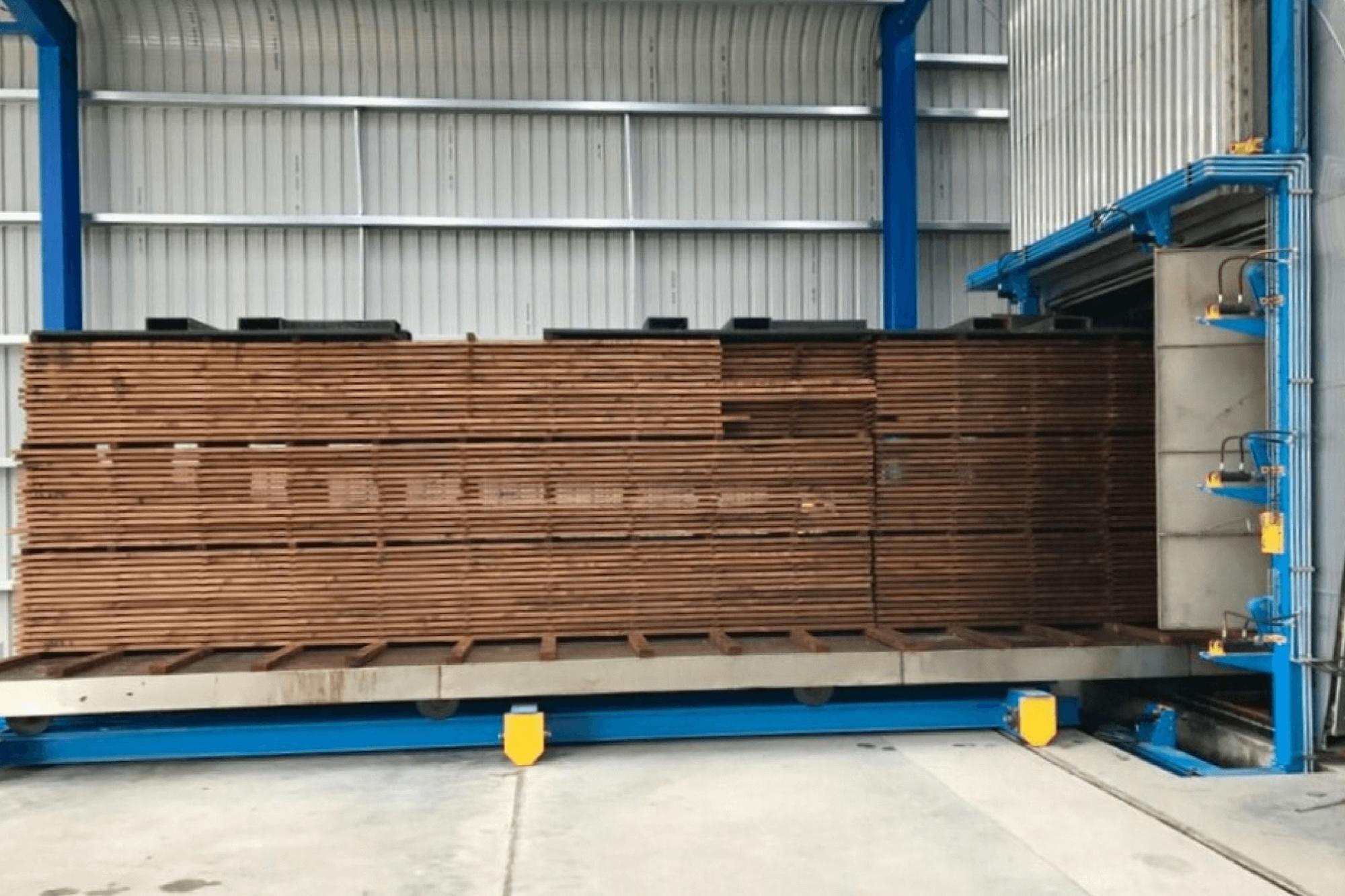
Scope Two – These emissions come from the electricity that powers our sites, and this is one area we can act on quickly. By switching all operations to 100% renewable electricity by 2027, we can reduce our Scope Two emissions to zero within just a few years.
Scope Three – The vast majority of our emissions come via our value chain with purchased timber from our suppliers contributing to 6 out of our top 10 emissions by supplier, and freight and transport making up the est. Our goal is to reduce Scope Three emissions intensity by at least 25% by 2030, working closely with our suppliers and partners to set clear, achievable reduction plans. Collaboration will be key to making real progress.
Across all scopes, our long-term target is to achieve net zero emissions by 2050, in line with the global Science Based Targets initiative pathway of limiting warming to 1.5°C
Managed Forests: Doing the Heavy Lifting for Carbon Sequestration
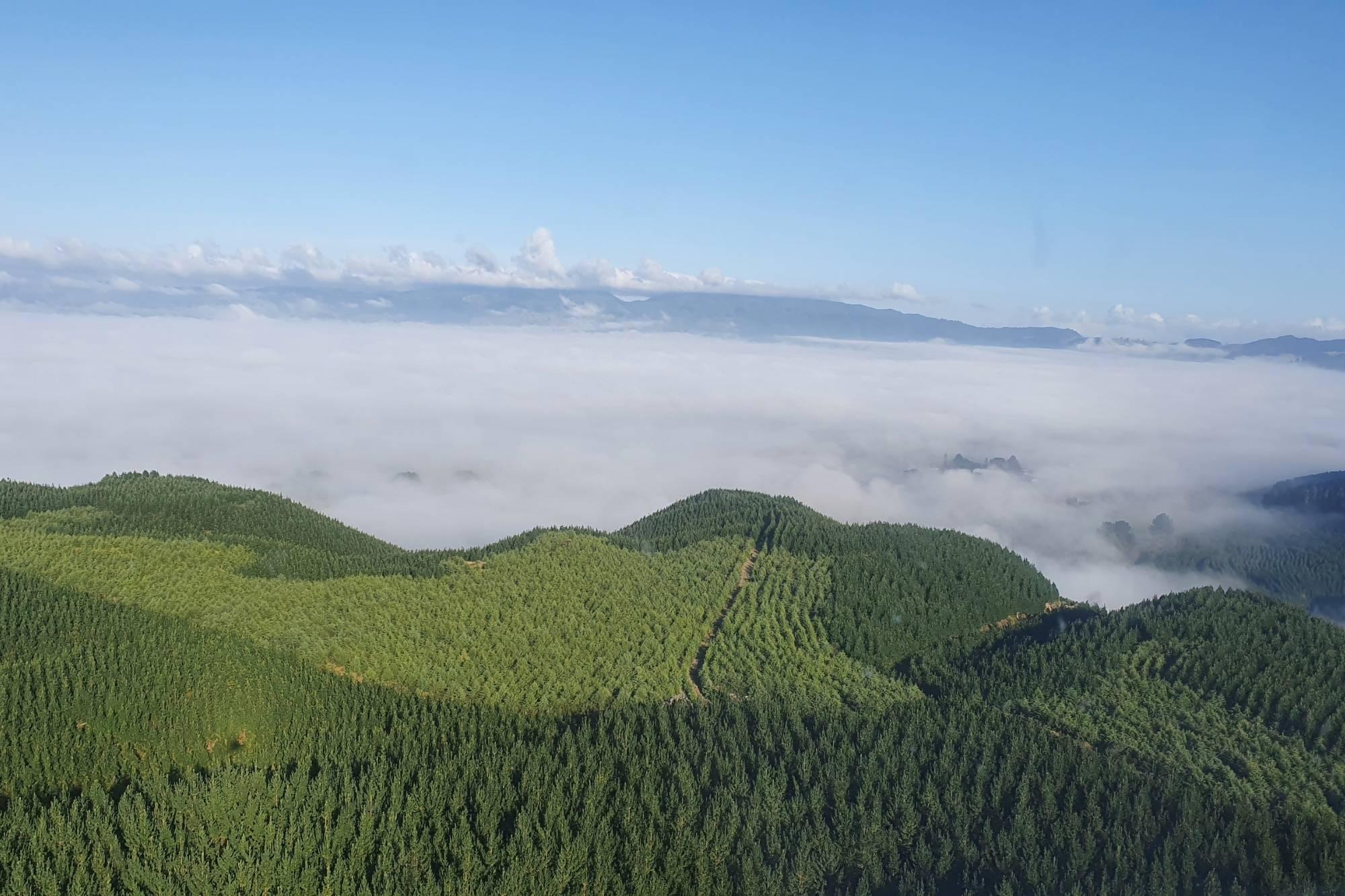
You might not know that New Zealand’s managed forests play a huge role in sequestering the carbon in our atmosphere. Over 50% of New Zealand’s yearly CO2 emissions are captured by our production forests! [1]
We’ve crunched the numbers and learned that:
- A cubic metre (500kg) of Radiata contains 250kg of carbon, equivalent to 920kg of carbon dioxide sequestered from the atmosphere. [2]
- By harvest time, an average hectare of Radiata has stored 488-779 tonnes of CO2. [3]
- A typical New Zealand timber-framed home (with a floor area of 200m² and containing 30m³ of wood) stores the equivalent of 27 tonnes of CO2. [4]
How Abodo’s Suppliers and Products Measure Up
In addition to cutting own operational carbon, each square metre of our Vulcan® timber locks away over 7.56k of carbon - that’s twice as much carbon as is emitted during its production. Pretty neat, right?
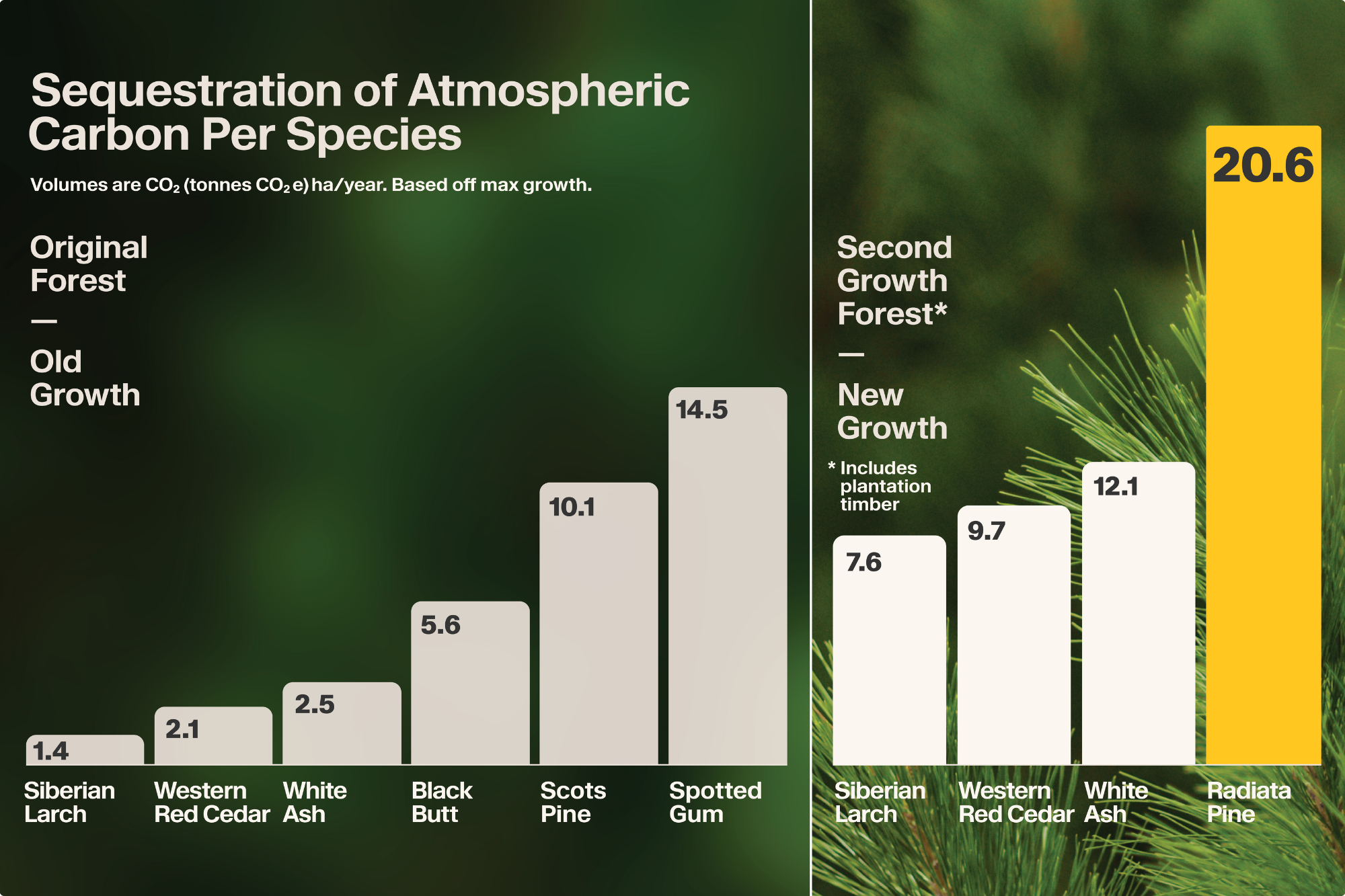
All trees absorb carbon when they are growing, with independent research telling us that certain species do it faster. We use Radiata because it is one of the best for sequestering carbon dioxide, due to its fast growth and high-rotation foresting, approximately every 27 years. Radiata is also one of the top performers when it comes to fibre yield per hectare per year, making it a very efficient use of land space and resources.
Modified Timber vs Other Building Materials
Wood has an important role to play as an offset to more carbon-intensive building materials like glass, aluminium, concrete and steel. Substituting wood for concrete and steel in commercial buildings cuts greenhouse gas (GHG) emissions by an average of 60%. [5]
Modified woods are becoming an increasingly popular alternative to old growth traditional timbers, but they too can have vastly different carbon footprints. By combining renewable energy supply with centralised manufacturing, Abodo’s Vulcan timbers have one of the lowest embodied carbon ratings for modified woods on the market.
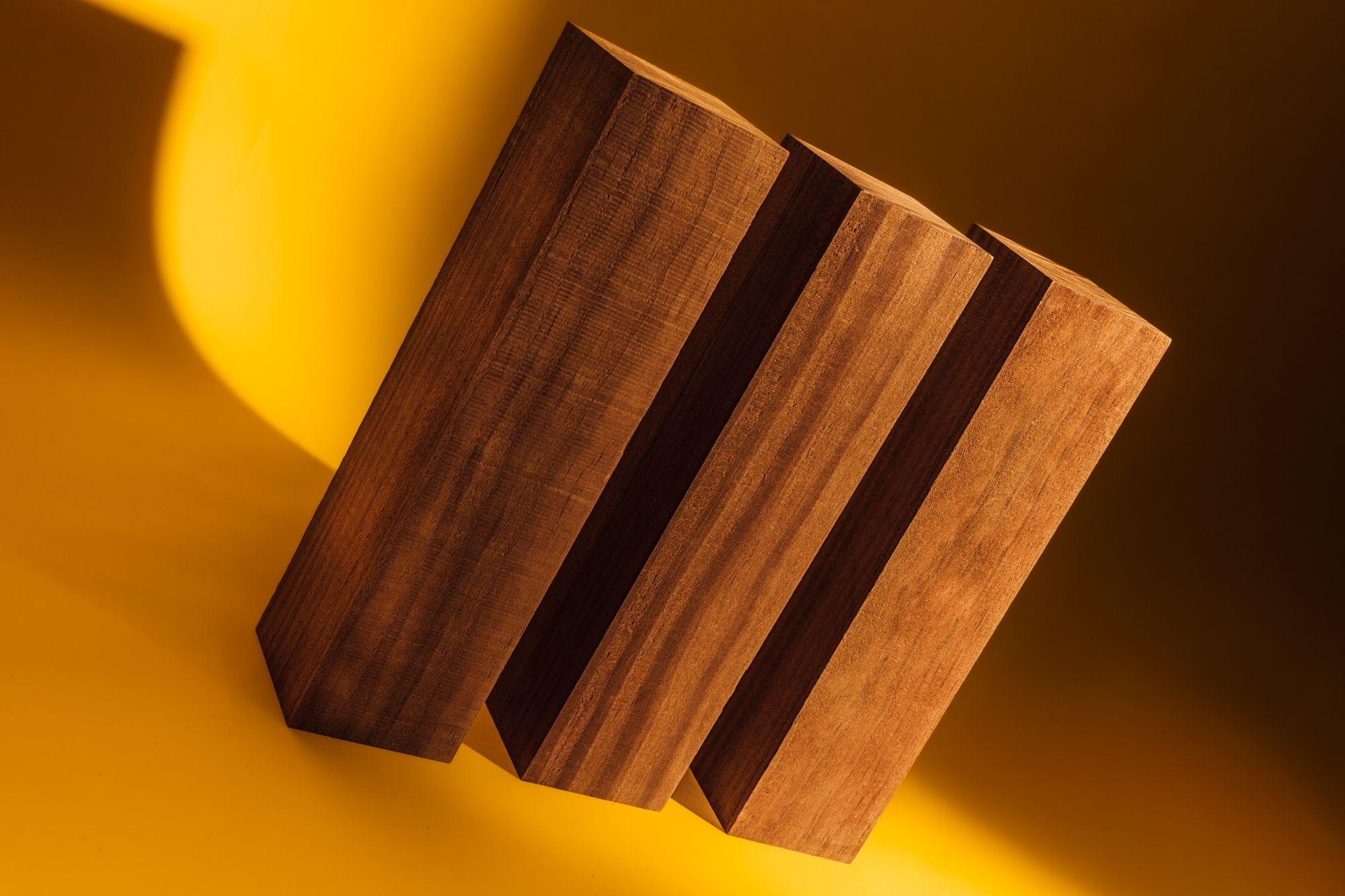
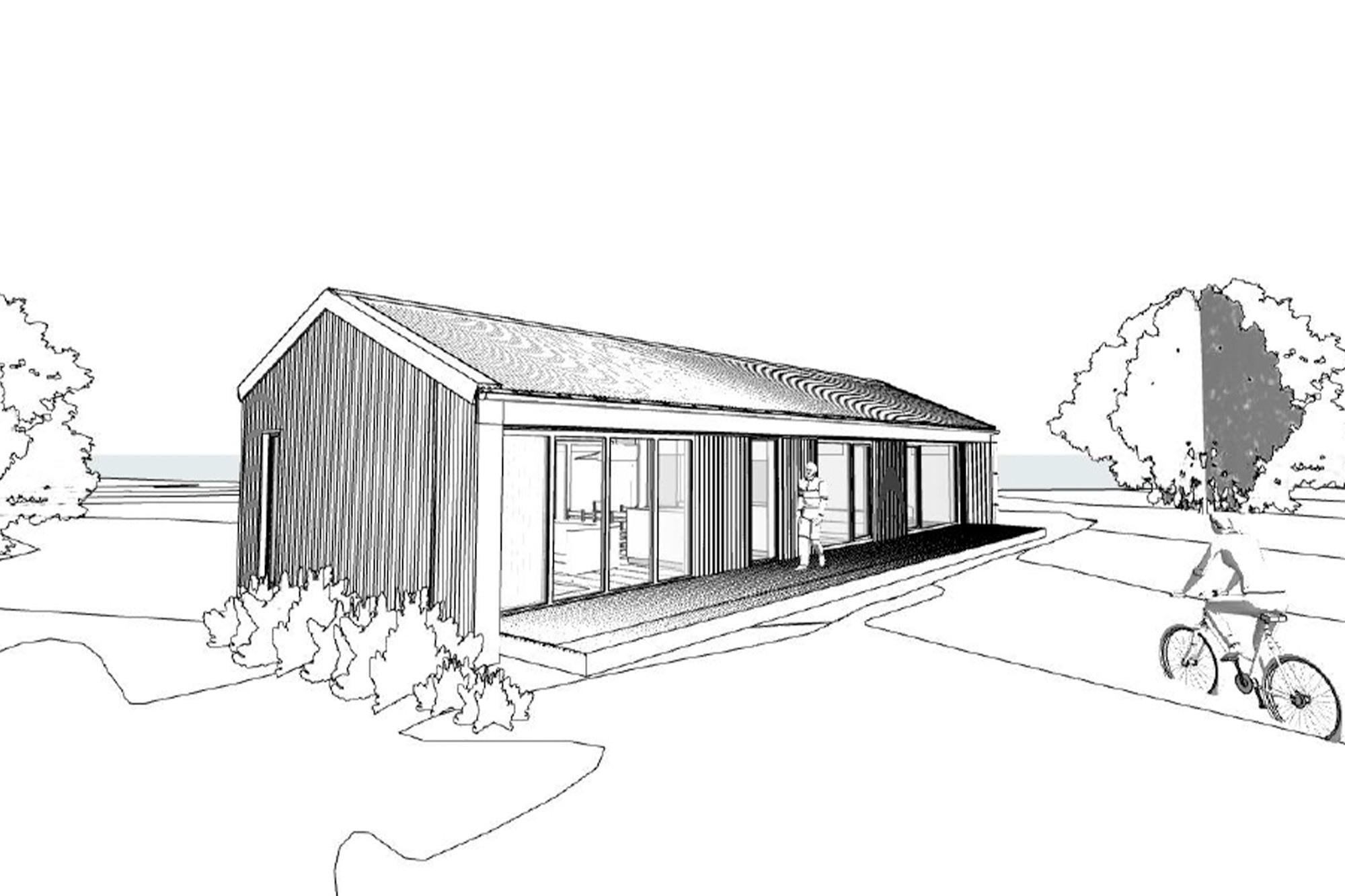
A Life Cycle Assessment (LCA) by Respond Architects of a recent cabin design in Queenstown found that the structure had life cycle carbon emissions of less than half that of an average New Zealand building, with the design’s steel cladding and roofing accounting for most of that. And when all the profiled metal was replaced with Vulcan timber, the carbon output of the overall build dropped by 9.8 tonnes, or more than 10%! Vulcan helped to offset the other necessary building components, such as glazing, leaving the whole design sitting at 2.4 tonnes of negative carbon.
Learn more about Abodo’s sustainability in our 2026 Impact Report