-
About
-
Products
- By Timber Product
- Cladding
- Decking
- Screening
- Panelling
- View all
- By Application
- Exterior Cladding / Siding
- Exterior Rain Screen
- Interior Walls & Ceilings
- Soffits
- Screening, Fins & Battens
- Windows, Doors & Joinery
- Posts & Beams
- Accessories
- Coatings
- Fixings
-
Resources
- Projects
- Contact

Abodo Secret Fix Profiles: Considered Design
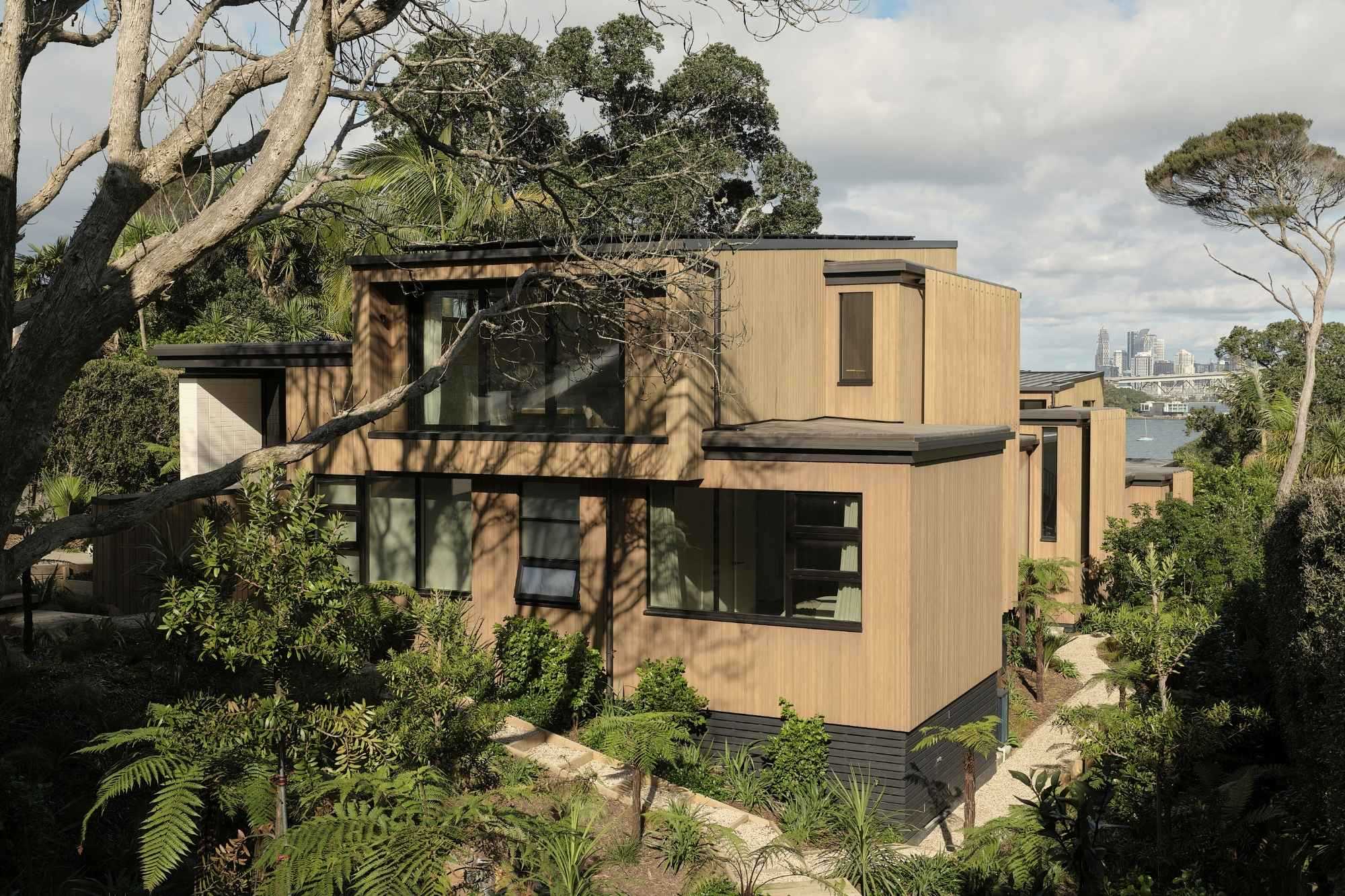
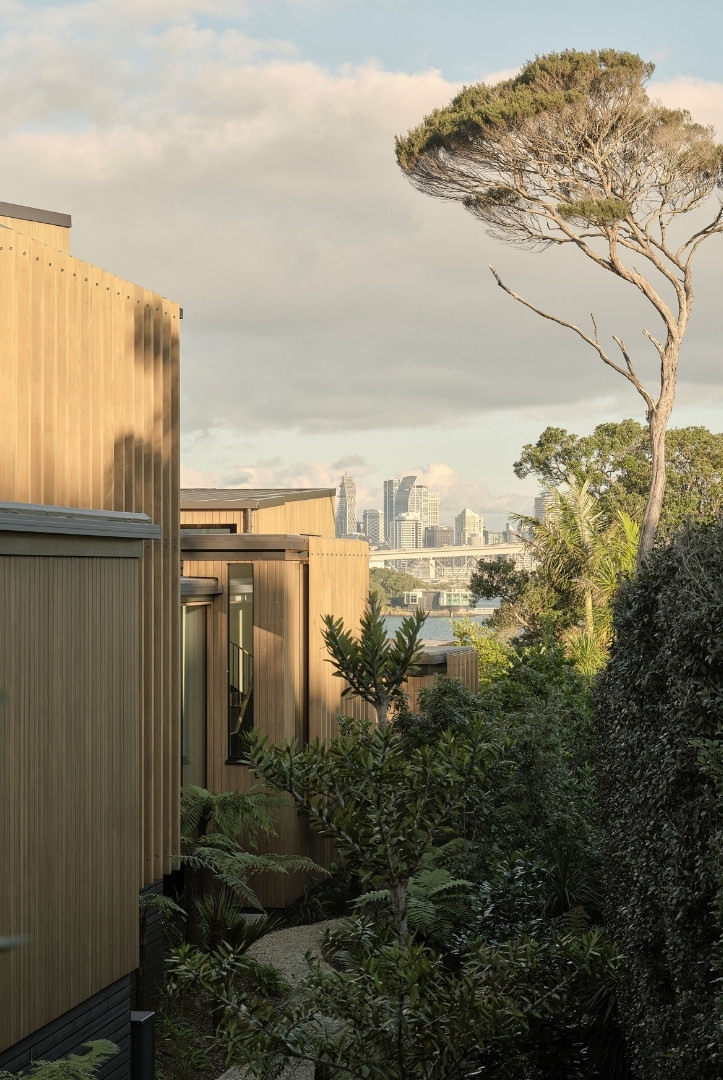
The appeal of timber siding lies in its natural texture, grain and design contribution. Abodo’s WB12 and WB18 secret fix profiles keep these qualities in focus, creating a clean uninterrupted timber surface.
Designed for Vulcan® siding, they combine a refined architectural finish with practical benefits for installation and coating protection.
What are secret fix profiles?
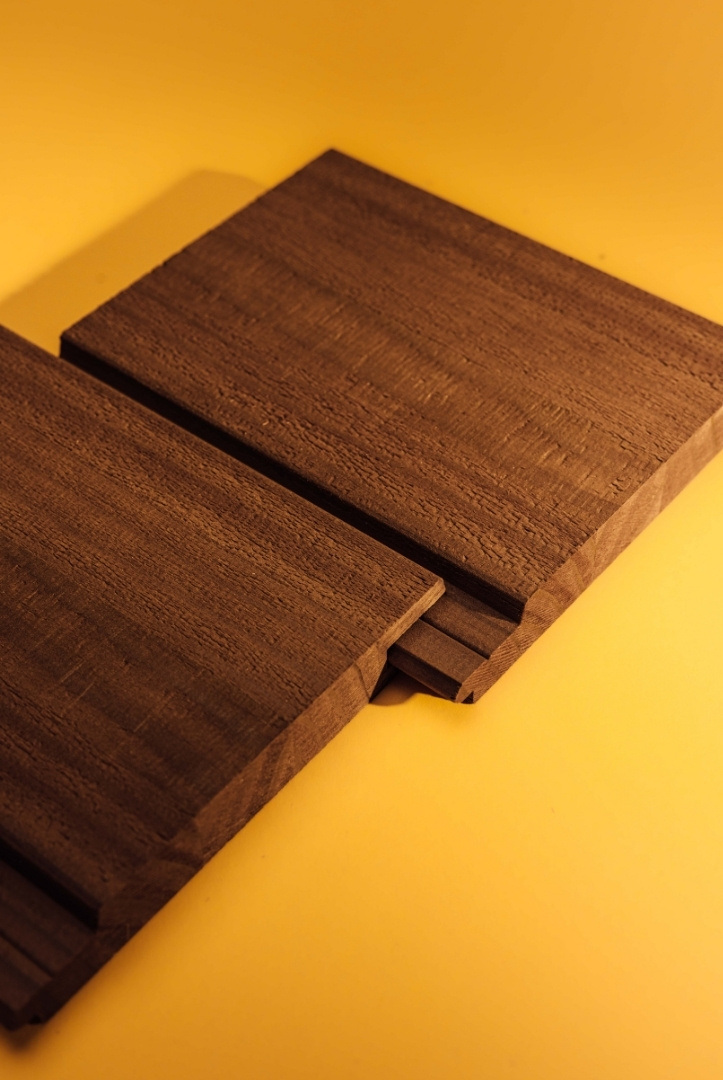
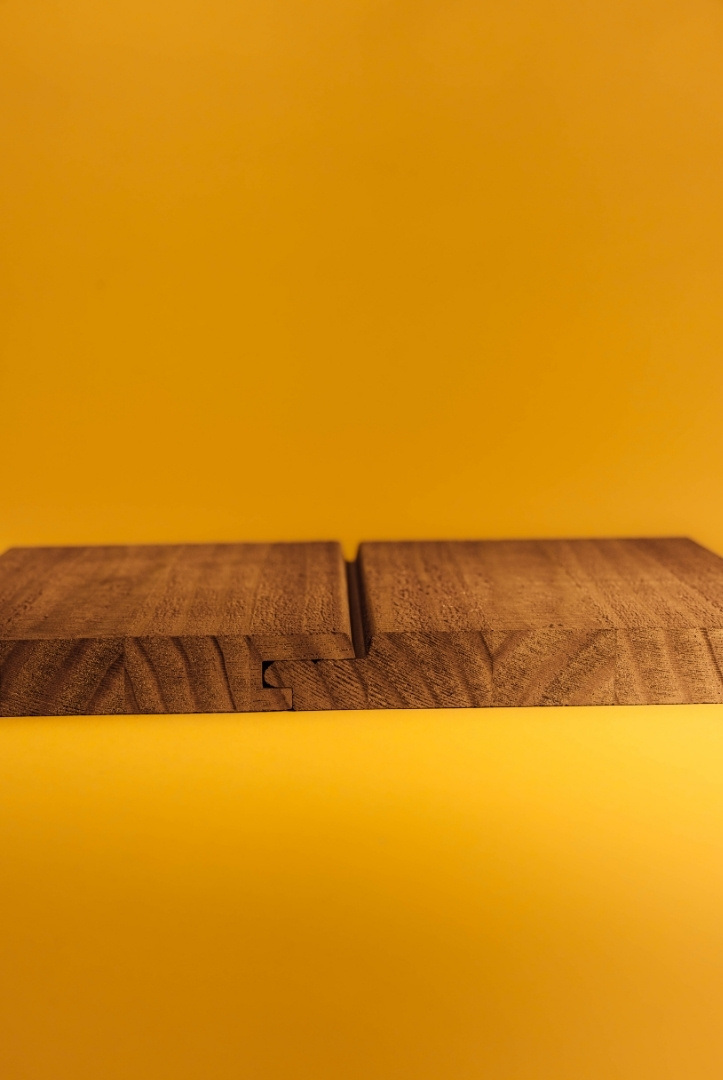
Secret fix, also known as concealed fix, describes a siding profile that hides the nails or screws securing each board. Rather than fastening through the exposed face of the timber, the installer fixes through a dedicated groove within the profile. The next board covers this fixing as it is installed.
Abodo’s WB12 and WB18 profiles use deep tongue-and-groove engagement and overlapping geometry to conceal the fixing zone. The result is a timber surface free from visible screw or nail heads, allowing the grain and profile lines to define the facade.
Why choose concealed fixing?
For architects, the immediate benefit is visual consistency. Visible fasteners can interrupt the surface of timber siding, particularly across large elevations or where the timber is viewed up close. Concealing them creates a more cohesive finish, with no visible fixing pattern competing with the design. This attention to detail supports a premium architectural appearance, whether timber is used across an entire facade or as a carefully considered feature.
Helping protect the coating
Secret fixing also has a practical role. Face fixing penetrates the coating on the exposed surface of the board. By locating the fastener within the profile, WB12 and WB18 avoid these penetrations through the visible coated face.
This helps preserve the exposed finish and reduce visible maintenance points around fastener heads. It also reduces the need for surface touch-ups associated with face fixing, supporting a more consistent appearance.
A protected fixing zone
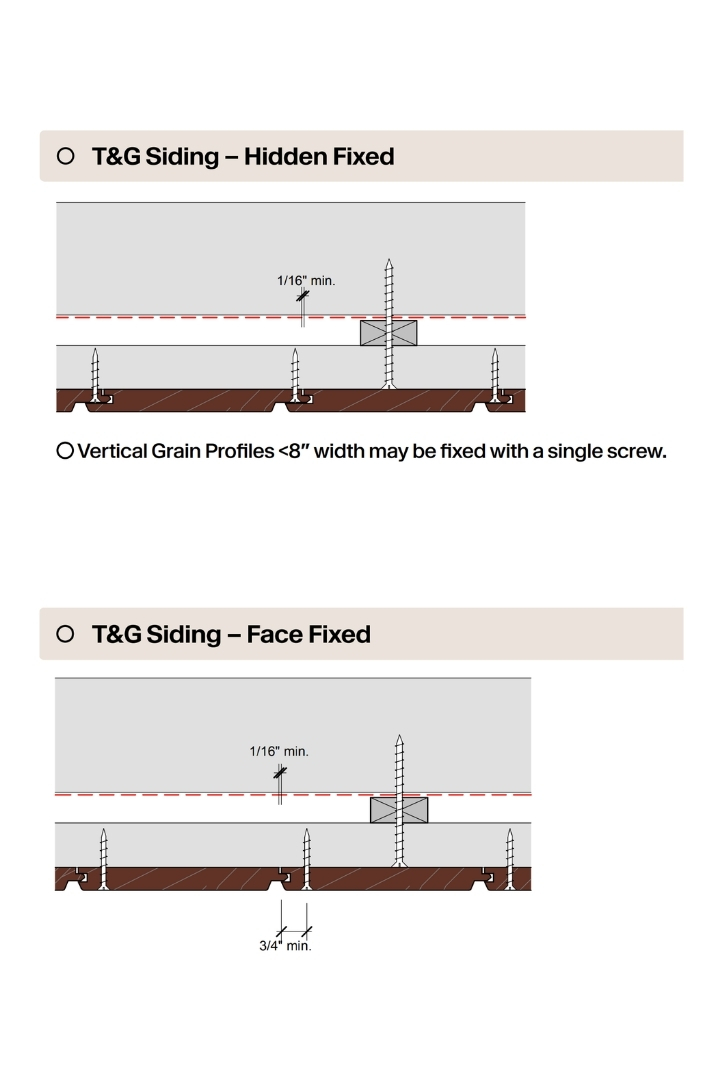
The deep tongue-and-groove design and extended overlap of WB12 and WB18 help shield fastening locations from direct rain and UV exposure. The fixing sits within a protected part of the profile, covered by the adjoining board.
For projects, this brings a useful combination of concealed fastening and protection at the fixing location. As with all exterior timber siding, correct detailing and installation remain essential to the performance of the finished assembly.
Designed for screw fixing
Both WB12 and WB18 are compatible with self-countersinking screws, and Abodo recommends screw fixing for ease of installation.
The dedicated fixing groove provides a defined fastening location, while screw compatibility supports board alignment and a controlled installation process. With no visible fixing layout to maintain and fewer surface touch-ups, the profiles can help streamline installation compared with traditional face-fixed timber siding.
Specifying WB12 and WB18
Abodo’s secret fix profiles bring together three benefits: an uninterrupted timber surface, protection of the exposed coating, and a practical approach to fastening. For architects seeking a refined Vulcan siding finish, they make the fixing detail part of the overall design.
To explore WB12 and WB18 for your next project, view Abodo’s Siding profiles and Vulcan Siding Design and Installation Guide, or contact the Abodo team for specification support.