-
About
-
Products
- By Timber Product
- Cladding
- Decking
- Screening
- Panelling
- View all
- By Application
- Exterior Cladding / Siding
- Exterior Rain Screen
- Interior Walls & Ceilings
- Soffits
- Screening, Fins & Battens
- Windows, Doors & Joinery
- Posts & Beams
- Accessories
- Coatings
- Fixings
-
Resources
- Projects
- Contact
HAPPY HOLIDAYS / Click here for our holiday operating hours.



Transforming Timber Design
Creating greater value from New Zealand’s plantation forests: NZ Journal of Forestry feature.
First published as a conference paper in NZ Journal of Forestry, November 2026, Vol 71, No.3, authored by Daniel Gudsell. This paper looks at the move to using New Zealand’s plantation forests as a source of the world’s next generation of high-performance architectural timbers. In particular, thermal modification (especially of radiata pine) helps address some of the historical limitations associated with plantation-grown softwoods for use in architecturally designed houses.
A remarkable opportunity
For decades, New Zealand forestry has been incredibly successful at growing trees. We have developed one of the most productive plantation forestry sectors in the world. We plant, harvest and export timber at scale. Yet despite this success, a significant proportion of our forest resource still leaves our shores as relatively low-value logs. The question is not whether New Zealand can grow trees, it is whether we can create enough value from them before they leave the country. At the same time, architects, designers and specifiers around the world are facing a different challenge. Demand for beautiful timber products continues to grow.
Yet many of the traditional species relied upon by the design industry originate from slow-growing or ancient forests that are increasingly under pressure. The result is a remarkable opportunity.
By combining innovative processing technologies with thoughtful design and strong market positioning, New Zealand’s plantation forests can become a source of the world’s next generation of high-performance architectural timbers. This transformation is already underway.
Figure 1: Ngā Mokopuna at Victoria University Campus in Wellington. Photo: Jason Mann Photography
Architectural requirements
Historically, premium architectural timber meant one of a relatively small group of species. Western red cedar, old-growth redwood, tropical hardwoods and other slow-grown timbers became popular because they offered desirable combinations of durability, dimensional stability and appearance. These species established themselves not because they were rare, but because they solved design problems.
Architects wanted products that would remain straight, resist decay and weather gracefully. The challenge for New Zealand forestry is that radiata pine was never traditionally viewed in the same way. It was often considered suitable for structural applications and commodity products but was rarely regarded as a premium architectural species.Yet this perception was based on the material in its raw state. The opportunity lies not in selling radiata pine as radiata pine, but in transforming it.
Moving beyond commodity thinking
Much of our forestry sector continues to focus on volume. How many hectares can we plant? How many cubic metres can we harvest? How many logs can we export? These are important questions, but they are not enough.
The future competitiveness of New Zealand forestry will increasingly depend on how much value we can create from every cubic metre of fibre. In many ways, we should think of timber more like the wine industry than the commodity agriculture industry. Wine producers do not simply sell grapes – they create premium products, brands, experiences and markets.
The same principle applies to timber. The true value is often created after the tree has been harvested. Through processing, grading, engineering, modification and design-led marketing, a commodity resource can become a sought-after premium product. The forestry sector needs to think beyond growing trees and start focusing on creating desirable materials.
Design starts in the forest
One of the most important lessons we have learned working with architects globally is that timber performance often begins with decisions made long before manufacturing. Grain orientation is a good example. Architects care deeply about stability because movement creates design risk.
A cladding board that twists, cups or shrinks excessively creates problems for both designers and building owners. Traditionally, many species prized by architects achieved their reputation partly because of their natural grain characteristics. However, modern processing allows us to engineer around many of these challenges. Quarter-sawn and vertical grain timber provide significantly improved stability compared with flat-sawn material. In effect, grain orientation becomes part of the design process.
Instead of accepting whatever characteristics occur naturally, we can deliberately engineer timber performance. This concept shifts timber from being simply a harvested material to being a designed product.
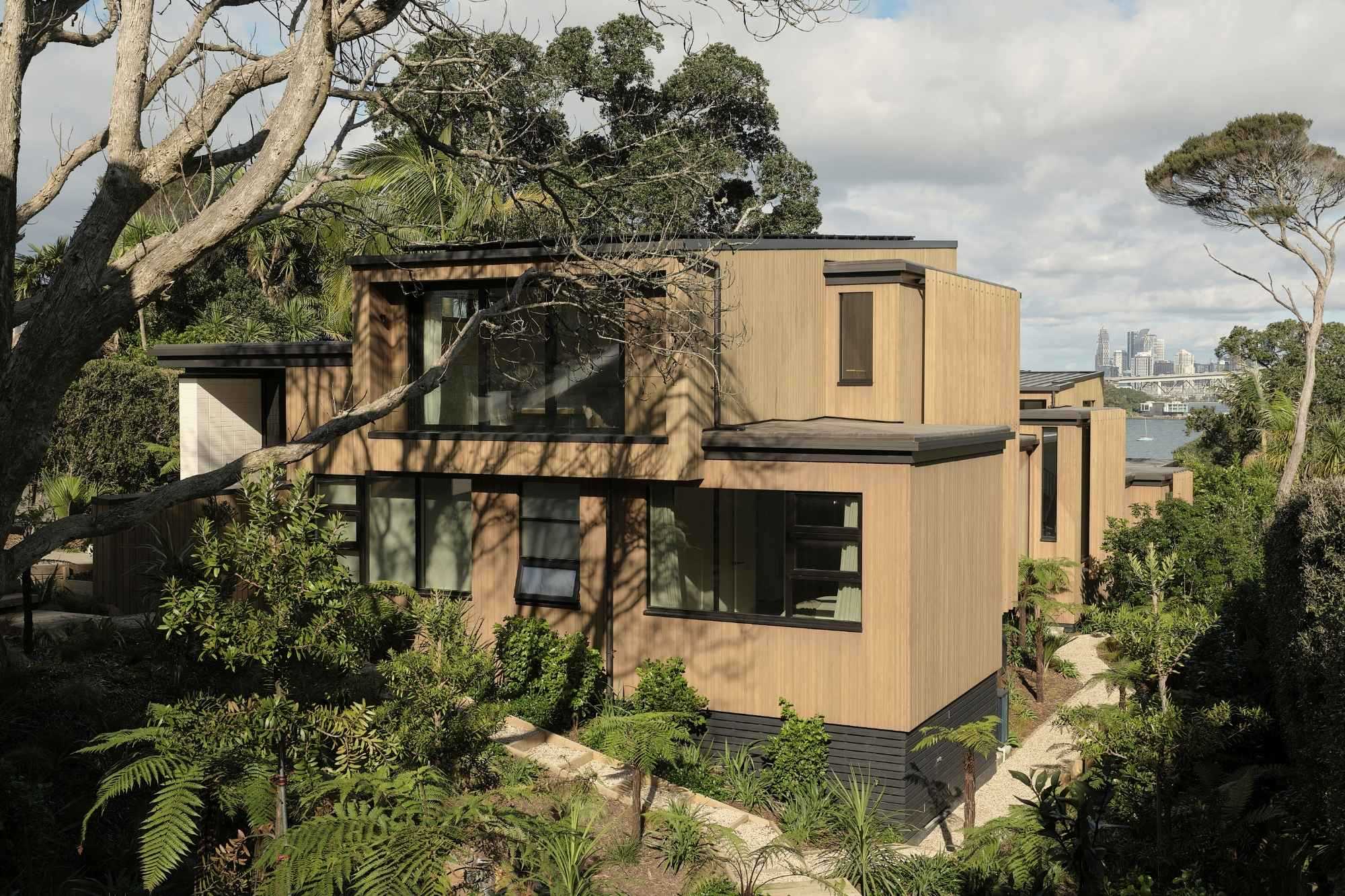
Figure 2: Maritime Residence in Auckland. Photo: Sam Hartnett
The role of thermal modification
One of the most important developments in timber processing over the past two decades has been thermal modification. The process uses heat and steam to permanently alter the timber’s cellular structure. The result is greater durability, improved dimensional stability and reduced moisture movement. Importantly, this is achieved without introducing traditional preservative chemicals.
For designers, thermal modification helps address some of the historical limitations associated with plantation-grown softwoods. Radiata pine, when thermally modified correctly, can deliver properties that make it suitable for premium exterior architectural applications, which changes the onversation entirely.
Rather than competing directly with traditional softwood products, New Zealand-grown timber can compete in markets traditionally occupied by premium imported species. It enables us to create products that are more stable, more durable and better suited to contemporary architecture. Most importantly, it allows us to capture significantly greater value from the same forest resource.
The differences between untreated radiata pine and thermally modified pine are:
| Untreated radiata pine | Thermally modified pine |
|---|---|
| Lower durability | Higher durability |
| Greater moisture uptake | Reduced moisture uptake |
| More movement (shrink/swell) | Improved dimensional stability |
| Lighter colour | Rich, darker colour |
| No chemical preservatives |
In short, thermally modified pine is more durable, stable and weather-resistant than untreated radiata pine, with a deeper natural colour.
Protecting what is irreplaceable
One of the defining shifts occurring within the global design community is a growing awareness of material provenance. Architects increasingly want to know:
- Where did this product come from?
- How was it made?
- What impact did it have on the environment?
These questions are changing purchasing behaviour. Many designers are becoming uncomfortable specifying products sourced from old-growth and ancient forests. Such forests are irreplaceable and once removed they cannot be recreated within a human lifetime.
Plantation forestry offers a compelling alternative. Well-managed plantation forests provide a renewable and scalable source of timber fibre, while reducing pressure on native and ancient forest ecosystems. The design sector is increasingly recognising this distinction. Rather than viewing plantation timber as a compromise, many architects now see it as an opportunity. A sustainable material story has become a design advantage.
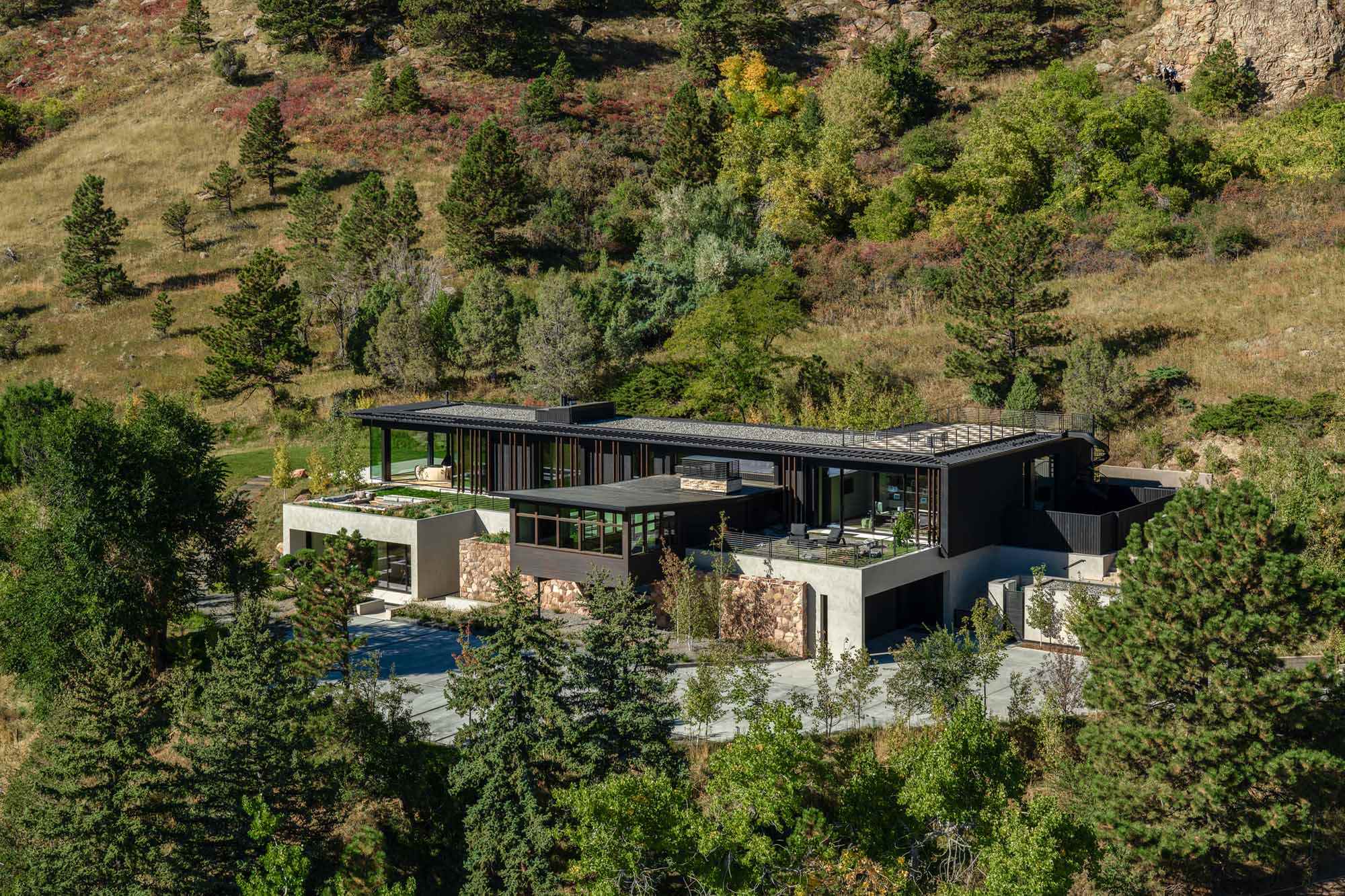
Figure 3: Panorama House in Colorado. Photo: James Florio
The emergence of new-growth timber
The term ‘new-growth timber’ reflects an important change in thinking. Historically, old growth was often viewed as premium and plantation timber as secondary, but this assumption is being challenged. Rapidly renewable plantation forests combined with advanced processing can now deliver performance that rivals or exceeds many traditional species. The future is not about replicating old-growth timber – it is about creating something better.
Through thermal modification, engineered grain orientation, advanced coating systems and increasingly sophisticated manufacturing, plantation timber can offer architects a new design toolkit. This approach creates value across the entire forestry supply chain:
- Forest owners benefit from stronger domestic demand
- Processors capture more value
- Manufacturers build export opportunities
- Designers gain innovative materials
- Consumers receive products aligned with modern sustainability expectations.
Why market development matters
Forestry discussions often focus on supply. Yet long-term success depends equally on demand. Creating demand for high-value timber products requires investment in education, marketing, specification support and architectural engagement, but this work is often overlooked.
However, every architect convinced to replace an imported old-growth species with a high-performance plantation alternative creates demand throughout the forestry value chain. This is where I believe the future opportunity lies. The greatest value may not come from growing more trees – it may come from helping the world see New Zealand timber differently.
Three New Buildings
Three buildings have recently been constructed using the technology above:
Ngā Mokopuna – Wellington
This student-centred environment at Victoria University is Wellington’s first aspiring Living Building Challenge project (Figure 1). Timber was sourced from Forest Stewardship Council® certified plantation forests in New Zealand, which have a very low carbon impact. The timber used is made locally from FSC® certified radiata pine, which is thermally modified (also known as heat-tempered) to ensure stability and longevity without the use of any chemical preservatives. This cladding has low toxicity and will store more carbon than is used in its production.
Due to the thermal modification process, the building’s decking (also radiata) has reduced resin content. This results in a highly stable product with a warm, homogenous brown tone that will silver off naturally over time without warping or buckling.
Maritime Residence – Auckland
The timbers used provide the basis for a Scandinavian aesthetic at this North Shore home (Figure 2). On the exterior the cladding (FSC® certified radiata pine) has a band-sawn finish. Reeded decking (also radiata) is used in the courtyard.
Panorama House – Colorado, USA
This home in Boulder, Colorado is set in alpine surroundings (Figure 3). A vertical grain timber (FSC® certified New Zealand radiata pine) was chosen for its sawn, textured finish, as well as its ability to gracefully age in the often-harsh climate while retaining its structural integrity through thermal modification.
The timber offers exceptional weathering performance, a critical feature for a location where temperatures range from –9°C in winter to 32°C in summer, ensuring the home stands up beautifully to the challenging conditions. It was important for this house to choose cladding made from renewable timbers rather than those derived from old-growth forests.
Looking ahead
New Zealand has the forests. We have the expertise. We have world-leading plantation productivity. What we need is a greater focus on innovation, processing and market creation. The future of forestry cannot be measured solely in tonnes exported – it should be measured in value created.
Transforming timber design is about far more than producing better building materials. It is about redefining what plantation forestry can achieve. If we can successfully connect forestry, manufacturing, science and design, New Zealand has the opportunity to become a global leader in premium timber innovation. The most exciting part is that the resource already exists. The challenge now is to unlock its full potential.
Credit: NZ Journal of Forestry, November 2026, Vol. 71, No.